Home Oxygen Therapy for Elderly Parents
When your parent needs supplemental oxygen, there's a learning curve for everyone. This guide covers equipment, safety, daily management, and helping them maintain quality of life.
Supplemental oxygen is prescribed when blood oxygen levels are chronically low (hypoxemia). Common reasons include COPD, pulmonary fibrosis, heart failure, sleep apnea, and other lung or heart conditions. The goal is to maintain oxygen saturation above 88-90%, reducing strain on the heart and brain.
Types of Oxygen Equipment
Oxygen Concentrator (Stationary)
An electric machine that pulls oxygen from room air. Plugs into a wall outlet and provides continuous oxygen flow. The most common home setup.
- Pros: Unlimited supply, no deliveries needed, lower long-term cost
- Cons: Requires electricity, makes some noise, not portable, needs backup for power outages
Portable Oxygen Concentrator (POC)
A battery-powered concentrator that allows mobility. Can be carried or wheeled. Some are FAA-approved for air travel.
- Pros: Allows leaving home, rechargeable, no tanks to fill
- Cons: Battery life limited (2-8 hours), may not deliver high flow rates, expensive
Compressed Oxygen Tanks
Metal cylinders filled with compressed oxygen. Available in various sizes from small portable tanks to large stationary tanks.
- Pros: Work during power outages, portable sizes available, no electricity needed
- Cons: Require regular deliveries/refills, can run out, heavy, fire risk
Liquid Oxygen
Oxygen stored as a very cold liquid in insulated containers. A large stationary unit stores the supply, and small portable units can be filled from it.
- Pros: Portable units are lightweight, provides continuous flow, good for high-flow needs
- Cons: Requires regular deliveries, evaporates over time, more expensive
The equipment that changes the most
Most of what caregiving costs is time. These four are the purchases that reliably buy some of it back, and they are the ones families tell us they wish they had bought sooner.
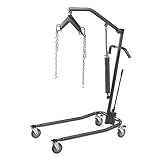 Drive Medical Hydraulic Patient Lift
A full lift is what makes one person able to manage a transfer alone. It is the single purchase that most often delays a move into residential care.
Check price on Amazon →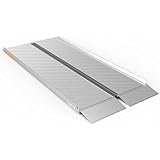 EZ-ACCESS Singlefold Wheelchair Ramp, 6 ft
Folds like a suitcase and carries in a car boot, so the same ramp handles the front step at home and the kerb at an appointment.
Check price on Amazon → Drive Medical Nitro Rollator with Seat
The seat matters more than the wheels. Being able to stop and rest is what decides whether someone still goes out at all.
Check price on Amazon → Vive Stand Assist Rail for Couch or Chair
Getting out of a low sofa is where most falls at home start. This is the cheapest thing on the list and often the first one needed.
Check price on Amazon →As an Amazon Associate we earn from qualifying purchases, at no extra cost to you. Researched guidance, not medical advice. Prices change, so check before buying.
Delivery Methods
Nasal Cannula
The most common method. A lightweight tube with two prongs that rest in the nostrils. Tubing connects to the oxygen source.
- Comfortable for long-term use
- Allows eating and talking
- Effective for flow rates up to 6 liters/minute
- May cause nasal dryness or irritation
Oxygen Mask
Covers the nose and mouth. Used when higher concentrations are needed or cannula isn't tolerated.
- Delivers higher oxygen concentrations
- Less comfortable, interferes with eating/talking
- May feel claustrophobic
Safety Precautions
Oxygen doesn't burn, but it makes things burn faster and hotter. A small spark near oxygen can cause a serious fire. This is the most critical safety concern.
No Smoking
Never smoke near oxygen. No one should smoke in a home with oxygen in use. This is the number one cause of oxygen-related fires.
No Open Flames
Keep away from gas stoves, candles, fireplaces, matches, and lighters. Stay at least 5-10 feet away.
No Petroleum Products
Avoid petroleum-based products near oxygen: Vaseline, some lip balms, oil-based lotions. Use water-based alternatives.
Proper Storage
Store tanks upright and secured. Keep away from heat sources. Ensure good ventilation.
No Electrical Sparks
Keep oxygen away from electrical appliances that spark: electric razors near cannula, heating pads, space heaters.
Post Warning Signs
Put "Oxygen in Use - No Smoking" signs on doors. Alert visitors and anyone entering the home.
Daily Management
Equipment Care
- Clean the cannula: Wipe with a damp cloth daily. Replace every 2-4 weeks or if damaged
- Clean the humidifier bottle: If using one, wash daily with soap and water, refill with distilled water
- Check tubing: Inspect for cracks, kinks, or damage. Replace as needed
- Filter maintenance: Clean or replace concentrator filters per manufacturer instructions
- Check flow rate: Ensure it's set to the prescribed level
Skin Care
Oxygen tubing can irritate skin, especially behind ears and under the nose:
- Use ear protectors or foam tubing covers
- Apply water-based moisturizer (NOT petroleum-based) to irritated areas
- Check for redness or breakdown daily
- Consider a cannula with softer material if irritation persists
Nasal Dryness
Supplemental oxygen often dries nasal passages:
- Use a humidifier bottle attachment (ask your supplier)
- Apply water-based nasal gel (saline gel)
- Use a room humidifier
- Stay well hydrated
Troubleshooting Common Problems
Concentrator Alarm Going Off
Check: Is it plugged in? Is the flow rate set correctly? Is the tubing kinked? Is the filter clogged? If problems persist, call the equipment supplier.
Oxygen Doesn't Seem to Be Flowing
Check that the machine is on and set to the right flow. Check tubing for kinks or disconnections. Put the cannula tip in water - bubbles mean it's flowing. Check tank gauge if using tanks.
Parent Keeps Removing Cannula
This is common, especially with dementia. Try: adjust the fit for comfort, use a softer cannula, distract them, accept that it may need to be replaced frequently. Talk to the doctor about whether it's medically essential.
Running Out of Oxygen (Tanks)
Know how long your tanks last at the prescribed flow rate. Keep backup tanks. Schedule regular deliveries before running low. Have the supplier's emergency number handy.
Living with Oxygen
Staying Active
Oxygen shouldn't mean staying home:
- Portable concentrators allow shopping, visiting, going to appointments
- Small tanks can be carried in a shoulder bag or cart
- Plan outings around battery life or tank duration
- Ask the doctor about oxygen needs during activity vs. rest
Traveling
- Car travel: Secure tanks upright. Crack a window for ventilation. Don't leave oxygen in hot cars
- Air travel: Only FAA-approved portable concentrators allowed. Contact airline in advance. Bring extra batteries
- Hotels: Contact ahead about oxygen concentrator use. Some can arrange stationary equipment at destination
Sleep
- Use a longer tubing length for freedom of movement
- Secure tubing to avoid tangling
- Keep concentrator in an adjacent room if noise is bothersome (use extension tubing)
- Some people need different flow rates for sleep - check with doctor
Emotional Adjustment
Starting oxygen therapy can be emotionally difficult for your parent:
- Stigma: They may feel embarrassed about the visible equipment
- Loss of independence: Another reminder of declining health
- Tethered feeling: Being "tied to a machine" feels limiting
- Fear: Worry about equipment failure, running out, fires
How to Help
- Normalize it: many people use oxygen and live full lives
- Focus on benefits: more energy, less breathlessness, better sleep
- Get portable equipment so they're not homebound
- Connect them with others who use oxygen (support groups)
- Address fears with facts and preparation
When to Call for Help
- Severe shortness of breath not relieved by oxygen
- Chest pain
- Confusion or altered mental status
- Blue lips or fingertips (cyanosis)
- Rapid breathing or heart rate
- Fever with worsening breathing
Call the Doctor If
- Increased shortness of breath with usual activities
- Need to use more oxygen than prescribed
- More coughing or change in mucus color
- Swelling in legs or ankles
- Trouble sleeping
- Weight gain (could indicate fluid retention)
Medicare and Insurance Coverage
Medicare Part B typically covers home oxygen equipment if:
- Doctor documents medical necessity
- Oxygen levels meet specific criteria
- Patient uses Medicare-approved supplier
Coverage usually includes:
- Equipment rental or purchase
- Oxygen contents (for tanks)
- Tubing, cannulas, masks
- Maintenance and repairs
Use a Medicare-enrolled supplier. There's typically a 20% coinsurance after the deductible. Some states have Medicaid programs that help with costs. Ask about financial assistance if needed.
Track Medical Equipment and Supplies
Our Care Coordination Binder helps you manage equipment, supplies, and medical information.
View Resources