Traveling with an Elderly Parent
Whether it's a family vacation, visiting relatives, or one last big trip together, traveling with aging parents requires planning. Here's how to make it work while keeping everyone comfortable and safe.
Many families wonder if travel is still realistic. For most seniors, the answer is yes - with planning. Consider their stamina, mobility needs, and health stability. Even if they can't do the trip they used to, a modified version might create wonderful memories.
Before You Book: Honest Assessment
Ask yourself these questions:
- Can they sit comfortably for the travel duration?
- How far can they walk? Do they need a wheelchair?
- Can they manage bathroom needs during travel?
- Are their chronic conditions stable?
- Will time zone changes affect medication schedules?
- Can they tolerate changes in routine? (Important for dementia)
- What's their energy level? Do they need frequent rest?
The equipment that changes the most
Most of what caregiving costs is time. These four are the purchases that reliably buy some of it back, and they are the ones families tell us they wish they had bought sooner.
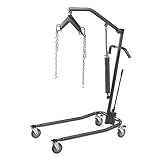 Drive Medical Hydraulic Patient Lift
A full lift is what makes one person able to manage a transfer alone. It is the single purchase that most often delays a move into residential care.
Check price on Amazon →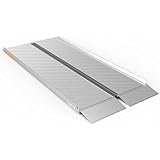 EZ-ACCESS Singlefold Wheelchair Ramp, 6 ft
Folds like a suitcase and carries in a car boot, so the same ramp handles the front step at home and the kerb at an appointment.
Check price on Amazon → Drive Medical Nitro Rollator with Seat
The seat matters more than the wheels. Being able to stop and rest is what decides whether someone still goes out at all.
Check price on Amazon → Vive Stand Assist Rail for Couch or Chair
Getting out of a low sofa is where most falls at home start. This is the cheapest thing on the list and often the first one needed.
Check price on Amazon →As an Amazon Associate we earn from qualifying purchases, at no extra cost to you. Researched guidance, not medical advice. Prices change, so check before buying.
Choosing the Right Trip
Best Options for Limited Mobility
Cruises
Everything's in one place, wheelchair accessible, medical staff on board. Unpack once. Choose shorter cruises to start.
Road Trips
Control the pace, stop when needed, bring everything you need. Limit to 4-5 hours of driving per day maximum.
All-Inclusive Resorts
No need to navigate restaurants and logistics. Everything's nearby. Assistance available.
Train Travel
More legroom than planes, can walk around, sleeping cars for long journeys. Scenic and less stressful.
Trips to Reconsider
- Extreme climates: Very hot or cold destinations are harder on aging bodies
- High altitude: Can worsen heart and lung conditions
- Multi-destination tours: Packing/unpacking frequently is exhausting
- Remote locations: Far from medical care if needed
- Countries with questionable medical facilities: What happens if they need hospitalization?
Air Travel Tips
Before the Flight
Request Wheelchair Assistance
Book when you buy tickets. Even if they can walk, airports are huge and exhausting. Wheelchair service is free and gets you priority boarding.
Choose Seats Wisely
Aisle seats for easy bathroom access. Avoid emergency rows (they can't assist). Consider bulkhead for more legroom. Skip the back of the plane (more turbulence, last to deplane).
Book Direct Flights
Connections are exhausting and risk missed flights. Pay more for nonstop when possible. If you must connect, schedule at least 2-3 hours between flights.
Get TSA PreCheck
Seniors 75+ can keep shoes on and leave laptops in bags. Less stress at security. Apply at tsa.gov/precheck.
At the Airport
- Arrive early - 2.5-3 hours for domestic, 3+ hours international
- Request wheelchair at check-in if you booked it
- Medications in original bottles in carry-on
- Doctor's letter for medical equipment or liquid medications
- Bring snacks - airport food can be far away
- Use family/companion bathrooms for privacy and assistance
CPAP machines, portable oxygen concentrators (approved models), and mobility devices fly free. Airlines must allow them. Call the airline in advance to confirm requirements and get documentation if needed.
During the Flight
- Hydration: Cabin air is dehydrating. Drink water throughout, limit alcohol and caffeine
- Movement: Walk the aisle every hour if possible to prevent blood clots
- Compression socks: Reduce swelling and DVT risk
- Medications: Take blood pressure meds as scheduled; adjust insulin carefully with time zones
- Ears: Swallowing during takeoff/landing helps with pressure. Bring gum or hard candy
Road Trip Strategies
Vehicle Setup
- Seat position: Passenger seat slightly reclined, lumbar support
- Swivel cushion: Makes getting in and out easier
- Grab handles: Portable ones attach to door frame
- Seat belt adjuster: Keeps strap from cutting into neck
- Travel pillow: Neck support for sleeping
Planning the Route
- Limit driving to 4-5 hours per day
- Stop every 1-2 hours for bathroom and stretching
- Map rest areas and accessible bathrooms along the route
- Plan lunch stops, not just drive-throughs
- Build in buffer time - don't schedule tight
Road Trip Packing Essentials
- All medications plus extras
- Written medication list with dosages
- Copy of insurance cards
- Emergency contacts
- Portable urinal or absorbent pads
- Snacks and water
- Blanket and pillow
- Chargers for medical devices
- First aid kit
- Flashlight
Medications and Medical Planning
Medication Checklist
What to Bring
- All medications in original pharmacy bottles
- Written list of all medications with dosages
- Extra supply (at least double what you need)
- Medications in carry-on, never checked bags
- Doctor's letter for controlled substances or injections
- Insurance cards and doctor's contact information
- Pharmacy phone number for emergency refills
Time Zone Adjustments
- Blood pressure meds: Usually can take at normal wake-up time in new zone
- Diabetes medications: More complex - consult doctor before trip about adjusting insulin
- Blood thinners: Generally maintain same 24-hour interval
- Ask the doctor: Get specific guidance for their medications before traveling
Standard trip insurance often excludes pre-existing conditions. For elderly travelers, buy comprehensive travel medical insurance that covers: emergency medical evacuation, pre-existing conditions (look for "waiver" options), and trip cancellation for illness. Read the fine print carefully.
Accommodation Considerations
What to Request
- Accessible room: Walk-in shower, grab bars, lower bed
- Ground floor or near elevator: Less walking, easier evacuation
- Refrigerator: For medications that need cooling
- Quiet location: Away from ice machines, elevators, parking lots
- Near dining: Less distance to walk for meals
Room Safety Check
When you arrive, quickly assess:
- Bathroom for grab bars and slip hazards
- Night lights or clear path to bathroom
- Bed height - can they get in and out safely?
- Phone accessibility in case of emergency
- Clear walking paths, remove throw rugs
Managing Dementia While Traveling
Travel with someone who has dementia requires extra care:
- Keep routines: Maintain meal times, medication times, sleep times as much as possible
- Avoid overstimulation: Busy airports, noisy restaurants, crowded attractions can increase confusion
- ID bracelet: Ensure they have identification with your contact information
- Current photo: Have a recent photo on your phone in case you get separated
- Familiar items: Bring comfort objects from home
- Early signs of overwhelm: Be ready to leave activities if they become agitated
- Consider shorter trips: A night or two may be the max tolerable
For mid-to-late stage dementia, travel may cause more distress than enjoyment. Signs that travel might not be appropriate: severe anxiety in unfamiliar places, frequent nighttime wandering, incontinence issues that are difficult to manage, or inability to recognize family members. Consider staycations or local outings instead.
Activity Planning
Pace Yourself
- One major activity per day, maximum
- Build in rest time - afternoon naps are okay
- Schedule activities for their best time of day (usually mornings)
- Have backup plans if they're not feeling up to something
- Remember: the goal is enjoyment, not checking boxes
Accessibility Resources
- Theme parks: Most offer disability access passes to skip lines
- Museums: Many provide wheelchairs, priority seating for tours
- National parks: Access passes available, accessible trails
- Tour companies: Some specialize in accessible travel
Emergency Preparedness
Carry With You Always
- Complete medication list with dosages
- Insurance cards (original and copy)
- Doctor's phone number
- Emergency contact list
- Their medical conditions summary
- Copy of advance directives
- Location of nearest hospital at destination
If Something Goes Wrong
- Know where urgent care and ERs are located
- Many hotels have nurse-on-call services
- Cruise ships have medical facilities
- Consider travel insurance that covers medical evacuation
- Have a plan for who handles what if hospitalization is needed
Making Memories
Despite the planning required, traveling with an elderly parent can be incredibly meaningful:
- Create new memories while you can
- Let them show you places from their past
- Take lots of photos - including yourself in them
- Record their stories during downtime
- Be present - put your phone away
- Accept imperfection - not every moment will be smooth
The best trip isn't the most elaborate or expensive. It's the one where your parent feels comfortable, included, and loved. Sometimes that's a simple weekend at a nearby hotel with a nice pool, sharing meals together and looking at old photo albums. Don't let perfect be the enemy of good.
Keep Medical Information Organized
Our Care Coordination Binder includes travel-ready medical summary sheets.
View Resources