You've sacrificed time, money, relationships, and your own health to care for your parent, and they don't seem to appreciate any of it. Maybe they criticize everything you do. Maybe they never say thank you. Maybe they even tell others you're a bad child. This pain is real, and you're not alone.
You're Not Crazy for Feeling This Way
Caregivers often feel guilty for wanting gratitude. "I shouldn't need thanks for taking care of my own parent." But you're human. You're making enormous sacrifices. It's natural to want acknowledgment, and painful when it doesn't come.
The equipment that changes the most
Most of what caregiving costs is time. These four are the purchases that reliably buy some of it back, and they are the ones families tell us they wish they had bought sooner.
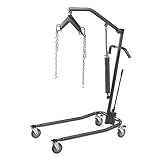 Drive Medical Hydraulic Patient Lift
A full lift is what makes one person able to manage a transfer alone. It is the single purchase that most often delays a move into residential care.
Check price on Amazon →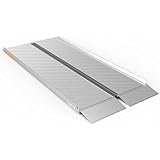 EZ-ACCESS Singlefold Wheelchair Ramp, 6 ft
Folds like a suitcase and carries in a car boot, so the same ramp handles the front step at home and the kerb at an appointment.
Check price on Amazon → Drive Medical Nitro Rollator with Seat
The seat matters more than the wheels. Being able to stop and rest is what decides whether someone still goes out at all.
Check price on Amazon → Vive Stand Assist Rail for Couch or Chair
Getting out of a low sofa is where most falls at home start. This is the cheapest thing on the list and often the first one needed.
Check price on Amazon →As an Amazon Associate we earn from qualifying purchases, at no extra cost to you. Researched guidance, not medical advice. Prices change, so check before buying.
Why Elderly Parents Seem Ungrateful
Understanding why your parent behaves this way doesn't excuse it, but it can help you take it less personally.
They're Grieving Their Independence
Needing help is humiliating for many elderly people. They're grieving the loss of the self-sufficient person they used to be. Your help is a constant reminder of what they've lost. Acknowledging it would mean accepting their decline.
Depression or Cognitive Changes
Depression is common in elderly adults and can make them negative, critical, and unable to express positive emotions. Dementia can also change personality, reduce emotional awareness, and impair their ability to recognize what you're doing for them.
Fear and Anxiety
They may be terrified about the future, about becoming more dependent, losing their home, running out of money, dying. Fear often comes out as irritability and criticism rather than vulnerability.
They've Always Been This Way
Some parents have always been critical, withholding, or unable to express appreciation. Aging doesn't change core personality, it often amplifies it. If they never acknowledged your efforts before, they probably won't start now.
Pain and Discomfort
Chronic pain makes people irritable and short-tempered. If your parent is in constant physical discomfort, they may not have the emotional capacity for gratitude.
They Don't Realize How Much You Do
Many elderly parents genuinely don't understand the scope of what you're managing, the appointments, paperwork, coordination, worry, and emotional labor. They only see the visit, not everything that enabled it.
Cultural/Generational Norms
Some generations didn't express appreciation openly. Some cultures assume children will care for parents without expectation of thanks. Your parent may love you deeply but have no framework for expressing gratitude.
When It's Cognitive Decline vs. Personality
It's important to distinguish between:
- New behavior: If your parent was always appreciative and has become ungrateful, this could be depression, dementia, or another medical issue. Talk to their doctor.
- Lifelong pattern: If they've always been critical and withholding, that's their personality. It's unlikely to change, and you'll need different coping strategies.
Coping Strategies That Help
Stop Expecting Change
If you keep hoping they'll finally appreciate you, you'll keep getting hurt. Accept who they are. This isn't about giving up, it's about protecting yourself by adjusting your expectations.
Find Validation Elsewhere
You need acknowledgment, get it from people who can give it. Caregiver support groups, friends, therapists, online communities. Stop looking for appreciation from someone who can't provide it.
Know Your Own Worth
You know what you're doing. You know the sacrifices you're making. Your worth as a caregiver isn't determined by your parent's response. Write down what you do. Look at it when you doubt yourself.
Set Internal Boundaries
Decide what criticism you'll absorb and what you'll let roll off. When they complain, you can think: "That's their fear talking, not truth." You don't have to feel wounded every time.
Take Breaks
Respite isn't just physical, it's emotional. Limit time with a difficult parent to what you can handle. It's okay to visit less often to protect your mental health.
What NOT to Do
- Don't argue about gratitude - "After everything I do for you!" won't generate genuine appreciation, it just creates conflict
- Don't martyr yourself - Doing more and more hoping they'll finally notice only leads to burnout
- Don't take it out on them - Passive-aggressive behavior or reducing care quality isn't the answer
- Don't stop setting boundaries - Their lack of gratitude doesn't mean you should accept abuse
- Don't isolate - Shame about your feelings can lead to isolation; reach out instead
If They Were Always Difficult
If your parent was never loving, appreciative, or kind, caregiving doesn't owe them transformation. You're dealing with a lifetime of unmet emotional needs, not just current caregiving challenges.
Options to Consider
- Hire help - Let professionals provide hands-on care while you coordinate from a distance
- Limit direct contact - Manage logistics via phone and email when possible
- Therapy - Work through childhood wounds that caregiving is reopening
- Sibling involvement - Share the burden so no one person bears it all
- Facilitated conversations - A social worker or therapist can mediate difficult discussions
Signs of Entitled Elderly Parents
Entitled behavior in an elderly parent tends to look like this:
- Expecting you to drop everything, every time, and treating a delay as a betrayal
- Framing help as owed ("after everything I did for you") rather than appreciated
- Comparing you unfavorably to a sibling, a neighbor's child or a version of you from years ago
- Refusing paid help or respite so that only you can do the work, then complaining about how it is done
- Rewriting your contributions as failures and never acknowledging what went right
- No reciprocity, even in small ways: no questions about your life, your health or your family
Two or three of these in a parent who was not like this before point to cognitive change, pain or depression, which the sections above cover and a doctor should assess. A lifelong pattern is personality, and the coping strategies below are built for it.
When It Crosses Into Abuse
There's a difference between an ungrateful parent and an abusive one. If your parent:
- Constantly berates, insults, or demeans you
- Tells others terrible lies about you
- Threatens to disinherit you unless you comply
- Physically hits or threatens you
- Sabotages your relationships or job
This is abuse, not just lack of gratitude. You're not obligated to accept abuse from anyone, including your parent. Consider involving social services, getting support, and creating distance.
Finding Peace
Peace doesn't come from finally getting the thanks you deserve. It comes from:
- Accepting reality - This is who they are; wishing doesn't change it
- Finding meaning - Care because it aligns with your values, not for their response
- Getting support - You need people who see and appreciate you
- Protecting yourself - Boundaries aren't selfish; they're survival
- Living your life - Don't let caregiving consume your identity
When Caregiving Ends
Many caregivers hope that at the end, on their parent's deathbed, perhaps, they'll finally hear "thank you" or "I love you." Sometimes it happens. Often it doesn't.
Don't pin your healing on their transformation. Do your work now: process your feelings, find validation, make peace with the relationship as it is. That way, whenever caregiving ends, you'll be ready to move forward.
You're Not Alone
Our caregiver resources include guides for navigating difficult family dynamics and protecting your emotional health.
View Caregiver Resources