Narcissistic Elderly Parent: Caring Without Losing Yourself
Maybe they've always been difficult. Critical, controlling, manipulative. Maybe they made your childhood hard. Now they're aging and need help, and you're caught between obligation and self-preservation. Caring for a narcissistic parent is one of the most challenging caregiving situations there is.
If you grew up with a narcissistic parent, you may have spent your life doubting your perceptions, being told you're "too sensitive" or "ungrateful." Your experiences are valid. This is hard. And you're allowed to protect yourself.
Recognizing Narcissistic Patterns
These traits may have been present throughout life, not just in aging:
Everything Is About Them
- Their needs always come first
- Conversations always circle back to them
- Your life events are minimized or hijacked
- They expect constant attention and admiration
Manipulation and Control
- Guilt trips are a primary tool
- "After all I've done for you..."
- Playing family members against each other
- Withholding love or approval as punishment
- Making you feel responsible for their happiness
Lack of Empathy
- Your feelings don't seem to matter
- They can't see your perspective
- Your struggles are dismissed or minimized
- They don't recognize how their behavior affects you
Criticism and Comparison
- Nothing you do is good enough
- Compared unfavorably to siblings or others
- Backhanded compliments
- Public criticism or embarrassment
- Denial: "I never said that"
The equipment that changes the most
Most of what caregiving costs is time. These four are the purchases that reliably buy some of it back, and they are the ones families tell us they wish they had bought sooner.
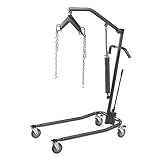 Drive Medical Hydraulic Patient Lift
A full lift is what makes one person able to manage a transfer alone. It is the single purchase that most often delays a move into residential care.
Check price on Amazon →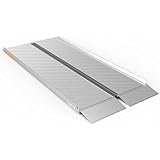 EZ-ACCESS Singlefold Wheelchair Ramp, 6 ft
Folds like a suitcase and carries in a car boot, so the same ramp handles the front step at home and the kerb at an appointment.
Check price on Amazon → Drive Medical Nitro Rollator with Seat
The seat matters more than the wheels. Being able to stop and rest is what decides whether someone still goes out at all.
Check price on Amazon → Vive Stand Assist Rail for Couch or Chair
Getting out of a low sofa is where most falls at home start. This is the cheapest thing on the list and often the first one needed.
Check price on Amazon →As an Amazon Associate we earn from qualifying purchases, at no extra cost to you. Researched guidance, not medical advice. Prices change, so check before buying.
How Aging May Affect This
They May Get Worse
- Loss of control over their life increases difficult behaviors
- Declining health means more demands on you
- Cognitive decline can amplify negative traits
- They may become more openly hostile or manipulative
- Fear and vulnerability can fuel narcissistic defenses
Or Sometimes Better
- Some mellow with age (rare but possible)
- Dementia may actually soften some personality traits
- Physical frailty may reduce their power
- Some find gratitude or awareness later in life
Most narcissistic people don't fundamentally change, especially late in life. Don't pour energy into hoping for the loving parent you deserved. Focus on managing the situation and protecting yourself.
Setting Boundaries
Boundaries are essential for survival. They are not punishment, they're protection.
Types of Boundaries
- Time limits: "I can visit for two hours on Saturday"
- Topic limits: "I won't discuss [sibling/your father/my weight]"
- Behavior limits: "If you yell, I will leave"
- Communication limits: "I will return calls within 24 hours, not immediately"
- Task limits: "I will help with medical appointments, not daily chores"
- Be clear and specific
- State consequences and follow through
- Keep it brief, no long explanations
- Repeat as needed without escalating
- Leave or hang up if boundaries are crossed
- Have others present as witnesses/buffer
- Don't JADE (Justify, Argue, Defend, Explain)
- Don't negotiate or debate your boundaries
- Don't expect them to understand or agree
- Don't make idle threats, mean what you say
- Don't feel guilty for protecting yourself
Script Examples
When they criticize:
- "I'm not willing to discuss this."
- "That's your opinion. I see it differently."
- "This conversation is over." (Leave or hang up)
When they guilt trip:
- "I'm doing what I can."
- "I understand you're upset, but this is my decision."
- "I'm not able to take that on."
When they demand more:
- "I can help with X. I can't help with Y."
- "That won't work for me."
- "I've already given you my answer."
Deciding How Much to Help
You Have Options
You are not obligated to provide hands-on care. Options include:
- Full caregiving: Only if you truly choose it
- Limited involvement: Specific tasks only
- Coordination only: Arrange care, don't provide it
- Financial support: If able, without personal care
- Minimal contact: Check in rarely
- No contact: A valid choice for some
You can ensure your parent is safe and cared for without sacrificing yourself. Hiring caregivers, arranging services, or placing them in a facility can be acts of care, and of self-preservation.
Questions to Consider
- What can I realistically do without destroying myself?
- What is the minimum I can live with?
- What would I advise a friend in this situation?
- What do I want to be able to say when this is over?
- Can I involve others (siblings, professionals) to share the burden?
Protecting Your Mental Health
Essential Self-Care
- Therapy: Work with someone who understands narcissistic family dynamics
- Support groups: Others who grew up with narcissistic parents
- Physical distance: Don't move them in with you
- Time limits: Cap visits and calls
- Processing time: Give yourself recovery time after interactions
Managing Your Reactions
- Recognize when you're being triggered
- Use the "gray rock" method, be boring, give minimal reaction
- Don't take the bait when they try to provoke
- Remember: You're an adult now, not a helpless child
- Their opinion of you doesn't define you
When They Have Dementia
Dementia adds complexity to narcissistic behavior:
- Some negative traits intensify
- Some traits may soften as the disease progresses
- They may not remember yesterday's cruelty
- You may grieve the relationship you never had
- You may feel conflicting relief and guilt
With narcissistic parents, grief is complicated. You may grieve the parent you wished you had. You may feel relief, guilt, anger, and sadness all at once. All of these feelings are valid.
Dealing with Siblings
Common Patterns
- Golden child: One sibling was favored, may not see the problem
- Scapegoat: Another was always blamed, may be most aware
- Flying monkeys: Siblings who carry out the parent's manipulation
- Denial: Siblings who refuse to acknowledge the dysfunction
Strategies
- Don't expect siblings to see things your way
- Set boundaries with siblings too if needed
- Divide tasks based on willingness, not guilt
- Don't let parent play you against each other
- Communicate directly with siblings, not through parent
When to Step Back
Signs You Need Distance
- Your mental health is deteriorating
- You're experiencing anxiety, depression, or physical symptoms
- Your relationships are suffering
- You're full of rage or despair after interactions
- You feel like you're losing yourself
Giving Yourself Permission
You are allowed to:
- Limit contact
- Refuse certain requests
- Let professionals handle care
- Prioritize your own family
- Say no
- Walk away entirely
Burnout Assessment
Caring for a difficult parent accelerates burnout. Check your stress level.
Take Assessment