Setting Boundaries with Elderly Parents
Your parent calls five times a day. They expect you to drop everything when they need something. They criticize your parenting, your job, your spouse. Setting boundaries feels impossible, and the guilt when you try is overwhelming. But without boundaries, you'll burn out, resent them, or both.
Boundaries aren't walls to keep people out. They're fences that define where you end and they begin. Good boundaries actually protect relationships by preventing resentment from building up.
Why Boundaries Are Hard
The Guilt
- They raised you and sacrificed for you
- They're old and vulnerable now
- Saying no feels like abandonment
- They may use guilt trips deliberately
- Society says we should do anything for parents
The Fear
- Fear of their anger or disappointment
- Fear of conflict
- Fear of damaging the relationship
- Fear of being seen as a bad child
- Fear of regret when they're gone
The History
- Patterns established over decades are hard to change
- You may have been taught that your needs don't matter
- You may have been the "responsible one"
- They may have always been controlling
The equipment that changes the most
Most of what caregiving costs is time. These four are the purchases that reliably buy some of it back, and they are the ones families tell us they wish they had bought sooner.
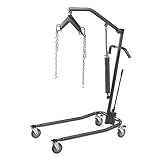 Drive Medical Hydraulic Patient Lift
A full lift is what makes one person able to manage a transfer alone. It is the single purchase that most often delays a move into residential care.
Check price on Amazon →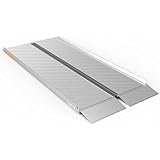 EZ-ACCESS Singlefold Wheelchair Ramp, 6 ft
Folds like a suitcase and carries in a car boot, so the same ramp handles the front step at home and the kerb at an appointment.
Check price on Amazon → Drive Medical Nitro Rollator with Seat
The seat matters more than the wheels. Being able to stop and rest is what decides whether someone still goes out at all.
Check price on Amazon → Vive Stand Assist Rail for Couch or Chair
Getting out of a low sofa is where most falls at home start. This is the cheapest thing on the list and often the first one needed.
Check price on Amazon →As an Amazon Associate we earn from qualifying purchases, at no extra cost to you. Researched guidance, not medical advice. Prices change, so check before buying.
Types of Boundaries You Can Set
Time Boundaries
Examples:
- "I can visit twice a week, on Tuesdays and Saturdays."
- "I'm available for calls between 9am and 9pm."
- "I can help for two hours on Sunday."
- "I need to leave at 5pm to have dinner with my family."
Topic Boundaries
Examples:
- "I'm not willing to discuss my marriage with you."
- "My parenting decisions are not up for debate."
- "I won't talk about my weight."
- "Let's not discuss politics."
Behavior Boundaries
Examples:
- "If you yell at me, I will leave."
- "I won't respond to criticism of my spouse."
- "I need you to speak to the aide respectfully."
- "If you call more than once, I won't answer the rest of the day."
Task Boundaries
Examples:
- "I can help with medical appointments, but not housework."
- "I'll manage your finances, but I can't be here daily."
- "I can arrange for a caregiver, but I can't be the caregiver."
- "I'll do grocery shopping, but not cooking."
How to Set Boundaries
Before the Conversation
- Know what you need, be specific
- Decide what you're willing to do and not do
- Anticipate pushback and plan your response
- Choose a calm moment, not mid-crisis
- Have a support person ready to debrief with
The Conversation
- Be calm and matter-of-fact
- Be clear and specific
- Use "I" statements: "I need..." "I am not able to..."
- State the boundary once, clearly
- State the consequence if needed
- Keep it brief
- Don't over-explain or justify at length
- Don't apologize excessively
- Don't get drawn into arguments
- Don't make it about blame
- Don't negotiate on the core boundary
Phrase Templates
- "I love you, and I can't do that."
- "That doesn't work for me."
- "I'm not available for that."
- "I've decided..."
- "I understand you're upset, and my answer is still no."
- "I can do X. I'm not able to do Y."
You don't owe a detailed explanation. The more you explain, the more they have to argue with. Sometimes "I can't do that" or "That won't work" is all you need.
When They Push Back
They will test your boundaries. This is normal. Expect:
Guilt Trips
Them: "I guess you don't love me anymore."
You: "I do love you. And I still can't do that."
Anger
Them: "How dare you treat me this way!"
You: "I understand you're upset. I'll talk to you when you're calmer." (Leave or hang up)
Playing the Victim
Them: "You're abandoning me in my old age!"
You: "I'm not abandoning you. I'm doing what I'm able to do."
Comparisons
Them: "Your sister would never treat me like this."
You: "I'm not my sister. This is what I can do."
Escalation
Them: Calling repeatedly, showing up unexpectedly, involving others
You: Hold the line. Don't reward escalation with attention.
When you first set boundaries, expect pushback to get worse before it gets better. They're testing to see if you'll cave. If you hold firm, most eventually adapt. If you cave, they learn that pushing harder works.
Managing Your Guilt
Remind Yourself
- Boundaries are healthy, not cruel
- You can't pour from an empty cup
- Burning out doesn't help anyone
- You have other responsibilities too
- Resentment hurts the relationship more than boundaries
Reframe the Guilt
- Guilt means you care, but caring doesn't mean no limits
- Guilt is not evidence that you're doing something wrong
- Feeling guilty doesn't mean you should change your mind
- You can feel guilty and still hold the boundary
Get Support
- Therapy to work through family dynamics
- Support groups with other caregivers
- Friends who understand
- A spouse or partner who backs you up
Special Situations
When They Have Dementia
- They may not remember or understand boundaries
- Focus on managing the situation, not changing them
- Physical boundaries (locking doors, limiting access) may be needed
- Redirect rather than confront
- Your own limits still matter
When They're Manipulative
- Don't JADE (Justify, Argue, Defend, Explain)
- Be a "broken record", repeat the same response
- Limit information they can use against you
- Consider reducing contact
When You're the Only Child
- You still have limits
- Professional help is available
- You don't have to do everything yourself
- Community resources exist
Maintaining the Relationship
Boundaries don't have to end the relationship:
- Show love in ways you can sustain
- Be present when you're there
- Focus on quality over quantity
- Find activities you both enjoy
- Express appreciation for what's good
Many caregivers find that setting boundaries actually improves their relationship with their parent. With limits in place, resentment decreases, and you can be more genuinely present during the time you do spend together.