Why Vaccines Matter More With Age
As the immune system ages, it becomes less effective at fighting infections. This means older adults are:
- More likely to get serious infections
- More likely to be hospitalized when they get sick
- More likely to die from vaccine-preventable diseases
Vaccines provide critical protection by preparing the immune system to fight specific diseases. While vaccines may be slightly less effective in older adults than younger people, they still provide significant protection and can mean the difference between a mild illness and hospitalization.
Most recommended vaccines for adults 65+ are covered by Medicare. Medicare Part D covers most vaccines (flu, shingles, Tdap, COVID). Pneumococcal vaccines are covered under Part B with no out-of-pocket cost. Check with your parent's specific plan for details.
The equipment that changes the most
Most of what caregiving costs is time. These four are the purchases that reliably buy some of it back, and they are the ones families tell us they wish they had bought sooner.
 Drive Medical Hydraulic Patient Lift
A full lift is what makes one person able to manage a transfer alone. It is the single purchase that most often delays a move into residential care.
Check price on Amazon →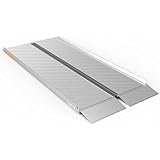 EZ-ACCESS Singlefold Wheelchair Ramp, 6 ft
Folds like a suitcase and carries in a car boot, so the same ramp handles the front step at home and the kerb at an appointment.
Check price on Amazon → Drive Medical Nitro Rollator with Seat
The seat matters more than the wheels. Being able to stop and rest is what decides whether someone still goes out at all.
Check price on Amazon → Vive Stand Assist Rail for Couch or Chair
Getting out of a low sofa is where most falls at home start. This is the cheapest thing on the list and often the first one needed.
Check price on Amazon →As an Amazon Associate we earn from qualifying purchases, at no extra cost to you. Researched guidance, not medical advice. Prices change, so check before buying.
Recommended Vaccines for Adults 65+
Influenza (Flu) Vaccine
When: Every year, ideally in September-October
Why it matters: Flu kills thousands of seniors annually. Most flu-related hospitalizations and deaths occur in people 65+.
Special considerations:
- Seniors should receive high-dose or adjuvanted flu vaccines (Fluzone High-Dose or Fluad), which are more effective than standard flu shots
- Can be given with other vaccines
- Even if it doesn't prevent flu, vaccination reduces severity
Pneumococcal Vaccines
When: One dose of PCV20 (Prevnar 20) for most adults 65+
Why it matters: Pneumococcal disease causes pneumonia, bloodstream infections, and meningitis. Elderly are at highest risk for severe complications.
Special considerations:
- If previously received PPSV23 (Pneumovax), still need PCV20 or PCV15 (wait 1 year after PPSV23)
- Covered under Medicare Part B with no copay
- Only needed once in most cases
Shingles Vaccine (Shingrix)
When: Two doses, 2-6 months apart, for adults 50+
Why it matters: Shingles causes painful blistering rash and can lead to long-lasting nerve pain (postherpetic neuralgia) that's very difficult to treat. Anyone who had chickenpox can get shingles.
Special considerations:
- Shingrix is over 90% effective, much better than the old shingles vaccine (Zostavax, no longer available)
- Recommended even if previously had shingles or received Zostavax
- Common side effects: sore arm, fatigue, fever for 1-2 days (sign it's working)
- Two doses required for full protection
Many people get the first Shingrix dose but never return for the second. One dose provides only partial protection. Set up an appointment for the second dose when getting the first one.
COVID-19 Vaccine
When: Stay up to date with current CDC recommendations (typically annual updates)
Why it matters: Elderly people remain at highest risk for severe COVID-19, hospitalization, and death.
Special considerations:
- Current vaccines are updated to match circulating variants
- Can be given at the same time as flu shot
- People with weakened immune systems may need additional doses
- Covered at no cost for Medicare beneficiaries
RSV Vaccine
When: One dose for adults 60+ (shared decision with healthcare provider)
Why it matters: RSV (respiratory syncytial virus) causes severe respiratory illness in elderly adults, leading to hospitalizations and deaths, especially in those with chronic heart or lung conditions.
Special considerations:
- New vaccine as of 2023, ask the doctor about it
- Particularly important for those with heart disease, lung disease, or weakened immune systems
- Given before RSV season (fall/winter)
Tdap/Td Vaccine
When: Tdap once (if never received), then Td booster every 10 years
Why it matters: Protects against tetanus (lockjaw), diphtheria, and pertussis (whooping cough). Pertussis is particularly dangerous for elderly adults and any infants they're around.
Special considerations:
- If wound occurs and last tetanus shot was more than 5 years ago, may need booster
- Important for grandparents who will be around newborn grandchildren (whooping cough protection)
Quick Reference Chart
| Vaccine | Who Needs It | How Often |
|---|---|---|
| Flu (High-Dose) | All adults 65+ | Every year |
| Pneumococcal (PCV20) | All adults 65+ | Once |
| Shingrix | All adults 50+ | 2 doses, once |
| COVID-19 | All adults | Per CDC updates |
| RSV | Adults 60+ (discuss with doctor) | Once |
| Tdap/Td | All adults | Tdap once, Td every 10 years |
Special Situations
Weakened Immune Systems
Adults on immunosuppressive medications, undergoing cancer treatment, or with conditions affecting immunity may need:
- Additional doses of some vaccines
- To avoid certain live vaccines
- Specific timing around treatments
Discuss with their doctor before vaccination.
Nursing Home Residents
Residents of long-term care facilities are at especially high risk for outbreaks. Most facilities have vaccination programs. Ensure your parent is included.
Travel
Elderly travelers may need additional vaccines depending on destination. Consult a travel medicine specialist 4-6 weeks before international travel.
Common Concerns
"They're too old for vaccines"
There is no upper age limit for vaccines. In fact, older adults benefit more from vaccines because they're at higher risk for severe disease. Age is a reason TO vaccinate, not a reason to skip.
"They got sick after a vaccine once"
Mild side effects (sore arm, low-grade fever, fatigue) are signs the immune system is responding. These are not the same as getting the disease. Serious reactions are rare.
"They have multiple health conditions"
Chronic conditions like diabetes, heart disease, and lung disease make vaccines MORE important, not less. These conditions increase the risk of severe complications from vaccine-preventable diseases.
"They're allergic to eggs"
Egg allergy is no longer a contraindication for most vaccines. Egg-free flu vaccines are available. Discuss specific allergies with the doctor.
Getting Vaccinated
Where to Get Vaccines
- Primary care doctor's office
- Pharmacies (CVS, Walgreens, Rite Aid, etc.)
- Health departments
- Senior centers (often host flu shot clinics)
- Medicare-covered home health providers (in some cases)
What to Bring
- Insurance card (Medicare Part D or Part B)
- List of current medications
- Vaccination history if available
- List of allergies
After Vaccination
- Wait 15 minutes at the location for observation
- Expect mild soreness at injection site
- Low-grade fever and fatigue possible for 1-2 days
- Keep track of vaccines received (get the record card)
Many vaccines can be given together. Consider scheduling flu + COVID-19 in the fall, and fitting in shingles doses and pneumococcal vaccine at other visits. Make a plan with the doctor to get caught up on all recommended vaccines.
For Caregivers: Protect Yourself Too
Caregivers should stay up to date on their own vaccines to avoid getting sick and transmitting infections to their vulnerable family member:
- Annual flu shot
- COVID-19 boosters as recommended
- Tdap if not received in adulthood
- Shingrix at age 50+
Track Medical Information
Our care coordination tools help you track vaccinations, medications, and medical appointments for your parent.
Explore Our Resources