Vascular Dementia: Causes, Symptoms & Caregiving
When blood flow to the brain is compromised, cognitive decline follows. Unlike Alzheimer's, vascular dementia may be partially preventable, and progression can sometimes be slowed.
Unlike Alzheimer's, where we can't change the underlying disease process, the vascular damage causing vascular dementia may be slowed or even stabilized by aggressively treating cardiovascular risk factors. While existing damage can't be reversed, preventing further strokes can preserve remaining function.
What Is Vascular Dementia?
Vascular dementia is cognitive impairment caused by conditions that reduce blood flow to the brain, depriving brain cells of oxygen and nutrients. It's the second most common form of dementia after Alzheimer's disease and accounts for about 10% of dementia cases, though many people have "mixed dementia" with both vascular and Alzheimer's pathology.
The key difference: vascular dementia results from blood vessel problems, not the protein deposits that cause Alzheimer's.
The equipment that changes the most
Most of what caregiving costs is time. These four are the purchases that reliably buy some of it back, and they are the ones families tell us they wish they had bought sooner.
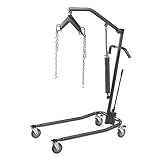 Drive Medical Hydraulic Patient Lift
A full lift is what makes one person able to manage a transfer alone. It is the single purchase that most often delays a move into residential care.
Check price on Amazon →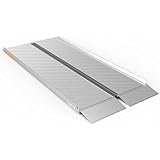 EZ-ACCESS Singlefold Wheelchair Ramp, 6 ft
Folds like a suitcase and carries in a car boot, so the same ramp handles the front step at home and the kerb at an appointment.
Check price on Amazon → Drive Medical Nitro Rollator with Seat
The seat matters more than the wheels. Being able to stop and rest is what decides whether someone still goes out at all.
Check price on Amazon → Vive Stand Assist Rail for Couch or Chair
Getting out of a low sofa is where most falls at home start. This is the cheapest thing on the list and often the first one needed.
Check price on Amazon →As an Amazon Associate we earn from qualifying purchases, at no extra cost to you. Researched guidance, not medical advice. Prices change, so check before buying.
Types of Vascular Dementia
Multi-Infarct Dementia (Post-Stroke Dementia)
Caused by a series of small strokes (infarcts) that damage brain tissue. Each stroke may cause subtle symptoms or none at all, but cumulative damage adds up. Progression is often "stepwise", stable periods followed by sudden decline with each new stroke.
Subcortical Vascular Dementia (Small Vessel Disease)
Damage to tiny blood vessels deep in the brain. Often appears on MRI as "white matter changes" or "small vessel ischemic disease." Causes gradual, slowly progressive symptoms rather than sudden declines.
Strategic Infarct Dementia
A single stroke in a critical brain area (thalamus, hippocampus, angular gyrus) causes significant cognitive impairment. Location matters more than size.
Mixed Dementia
Vascular dementia combined with Alzheimer's disease, very common, especially in people over 80. May show features of both conditions.
Symptoms of Vascular Dementia
Symptoms depend on which brain areas are affected and vary more than Alzheimer's:
Executive Function Problems (Often Early)
- Difficulty planning, organizing, and problem-solving
- Trouble following multi-step instructions
- Slowed thinking and processing speed
- Difficulty switching between tasks
- Poor judgment and decision-making
Memory (May Be Less Affected Than Alzheimer's)
- Memory problems often less severe than Alzheimer's initially
- May have trouble retrieving memories but can often be prompted
- Recognition memory may be relatively preserved
Physical Symptoms
- Walking problems, shuffling gait, unsteadiness
- Urinary urgency or incontinence (common early)
- Weakness on one side of the body (if strokes occurred)
- Falls and balance problems
Mood and Behavior
- Depression (very common)
- Apathy and lack of motivation
- Emotional lability, crying or laughing inappropriately
- Personality changes
Vascular Dementia vs. Alzheimer's
| Feature | Vascular Dementia | Alzheimer's Disease |
|---|---|---|
| Onset | May be sudden (post-stroke) or gradual | Gradual, insidious |
| Progression | Often stepwise, stable then sudden declines | Slowly progressive |
| Early symptoms | Executive function, processing speed | Memory loss |
| Memory | May be relatively preserved early | Usually impaired early |
| Physical symptoms | Common: gait problems, incontinence | Usually later in disease |
| Risk factors | Same as stroke: HTN, diabetes, smoking | Age, genetics, lifestyle |
| Prevention potential | Higher, treat cardiovascular risks | Some lifestyle factors help |
Risk Factors
High Blood Pressure
The biggest risk factor. Uncontrolled hypertension damages blood vessels over time. Even moderately elevated BP matters.
Diabetes
Damages blood vessels throughout the body, including the brain. Blood sugar control is crucial.
High Cholesterol
Atherosclerosis (plaque buildup) narrows arteries supplying the brain.
Smoking
Dramatically increases stroke risk and accelerates blood vessel damage.
Heart Disease
Atrial fibrillation, heart failure, and coronary disease all increase risk.
Previous Stroke or TIA
Having one stroke significantly increases risk of more.
Obesity
Contributes to diabetes, hypertension, and heart disease.
Physical Inactivity
Exercise protects blood vessels and brain health.
Diagnosis
Vascular dementia diagnosis involves:
- Cognitive testing: May show executive function deficits more than memory
- Brain imaging (MRI or CT): Shows evidence of strokes or small vessel disease
- Medical history: History of stroke, TIAs, cardiovascular disease
- Cardiovascular assessment: Blood pressure, cholesterol, heart function
Many small strokes cause no obvious symptoms at the time. People may have significant vascular brain damage without knowing they've had strokes. MRI often reveals more damage than expected from the clinical history.
Treatment and Slowing Progression
There are no FDA-approved medications specifically for vascular dementia, but aggressive treatment of underlying causes can help:
Cardiovascular Risk Management
- Blood pressure control: Target typically under 130/80, but individualized
- Diabetes management: Maintain good blood sugar control
- Cholesterol treatment: Statins if indicated
- Stop smoking: The single most important modifiable risk factor
- Blood thinners: Aspirin or anticoagulants if atrial fibrillation or previous stroke
- Regular exercise: Even walking helps
- Healthy diet: Mediterranean-style diet shows benefits
Medications Sometimes Used
- Cholinesterase inhibitors (donepezil, rivastigmine), May provide modest benefit, especially in mixed dementia
- Memantine: May help some patients
- Antidepressants: Depression is common and treatable
Rehabilitation Approaches
- Physical therapy: For gait and balance problems
- Occupational therapy: Strategies for daily living
- Speech therapy: If language affected
- Cognitive rehabilitation: May help with specific deficits
Caregiving Considerations
Managing Depression
Depression is extremely common in vascular dementia, more so than Alzheimer's. It's important to recognize and treat because:
- It worsens cognitive function
- It reduces motivation to participate in care
- It significantly impacts quality of life
- It's treatable even alongside dementia
Gait and Fall Prevention
Walking problems and falls are common in vascular dementia. Prioritize:
- Physical therapy evaluation and exercises
- Assistive devices (cane, walker) properly fitted
- Home safety modifications
- Shoes with good support
- Regular vision checks
Managing the "Stepwise" Decline
If your parent has the multi-infarct type, be prepared for:
- Periods of stability, appreciate these times
- Sudden declines after new strokes, may need care level reassessment
- Watching for stroke warning signs (FAST: Face drooping, Arm weakness, Speech difficulty, Time to call 911)
- Understanding that recovery from small strokes is possible but limited
People with vascular dementia often "know what to do" but can't organize themselves to do it. They may appear capable in conversation but struggle with multi-step tasks. Break things into single steps and provide prompts rather than multi-part instructions.
Prognosis
Vascular dementia prognosis varies significantly depending on:
- Type and severity of vascular damage
- Success of prevention (preventing further strokes)
- Presence of mixed pathology (concurrent Alzheimer's)
- Overall health and cardiovascular status
Average survival after diagnosis is about 5 years, but ranges widely. With aggressive risk factor management, some people remain stable for years. Others, especially with mixed dementia or ongoing strokes, decline more rapidly.
Unlike most dementias, vascular dementia progression can sometimes be slowed significantly. Every stroke prevented is brain function preserved. It's never too late to address cardiovascular risks, even after diagnosis, aggressive management matters.
Track Cardiovascular Health
Our Care Coordination Binder helps you track blood pressure, medications, and symptoms to share with providers.
View Resources