Working While Caregiving: Managing Job and Parent Care
You're trying to meet a deadline while your phone buzzes with another call from your mom's doctor. You're in a meeting but your mind is on whether dad took his medication. You're not alone, over 53 million Americans provide unpaid care to adults, and most of them work. Here's how to manage both worlds.
Let's be honest: working full-time while providing significant caregiving is exhausting. The goal isn't to do both perfectly, it's to find an arrangement that works well enough while protecting your health, income, and relationships.
Your Legal Protections
Family and Medical Leave Act (FMLA)
If you work for an employer with 50+ employees and have worked there at least 12 months:
- 12 weeks unpaid leave per year to care for a parent with a serious health condition
- Can be taken intermittently (doctor appointments, emergencies)
- Job-protected, they must hold your position or equivalent
- Health insurance continues during leave
FMLA specifically covers your biological or adoptive parents, not your spouse's parents. If you're caring for a mother-in-law or father-in-law, FMLA doesn't apply (though some employers offer broader policies).
State Paid Family Leave
Several states offer paid family leave that includes caring for parents:
- California: Up to 8 weeks at 60-70% pay
- New Jersey: Up to 12 weeks at 85% pay
- New York: Up to 12 weeks at 67% pay
- Washington: Up to 12 weeks at 90% pay
- Massachusetts, Connecticut, Oregon, Colorado: Similar programs
Check your state's labor department for current programs and eligibility.
Americans with Disabilities Act (ADA)
If you yourself have a condition related to caregiving stress (depression, anxiety), you may qualify for reasonable accommodations under ADA.
The equipment that changes the most
Most of what caregiving costs is time. These four are the purchases that reliably buy some of it back, and they are the ones families tell us they wish they had bought sooner.
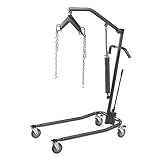 Drive Medical Hydraulic Patient Lift
A full lift is what makes one person able to manage a transfer alone. It is the single purchase that most often delays a move into residential care.
Check price on Amazon → EZ-ACCESS Singlefold Wheelchair Ramp, 6 ft
Folds like a suitcase and carries in a car boot, so the same ramp handles the front step at home and the kerb at an appointment.
Check price on Amazon → Drive Medical Nitro Rollator with Seat
The seat matters more than the wheels. Being able to stop and rest is what decides whether someone still goes out at all.
Check price on Amazon → Vive Stand Assist Rail for Couch or Chair
Getting out of a low sofa is where most falls at home start. This is the cheapest thing on the list and often the first one needed.
Check price on Amazon →As an Amazon Associate we earn from qualifying purchases, at no extra cost to you. Researched guidance, not medical advice. Prices change, so check before buying.
Talking to Your Employer
When to Disclose
You're not required to disclose caregiving responsibilities, but there are advantages:
- Pro: Access to accommodations and understanding
- Pro: Explains performance changes or schedule needs
- Con: May be seen as less committed (unfair but real)
- Con: Could affect advancement opportunities
How to Have the Conversation
✓ Be Professional, Not Emotional
"I want to discuss a schedule adjustment. I'm providing care for my mother who has dementia. I'd like to explore flexible options that allow me to maintain my productivity while managing appointments."
✓ Come with Solutions
Don't just present the problem. Propose specific accommodations: "I'm proposing working 7-3 instead of 9-5, or working remotely on Wednesdays when she has appointments."
✓ Focus on Work Continuity
Show how you'll ensure work gets done. "I'll maintain full availability via Slack and email during off-hours if needed, and I'm committed to meeting all deadlines."
Flexible Work Options
Remote Work
Working from home eliminates commute time and allows you to handle quick caregiving tasks. You can check on a parent, manage a delivery, or take a call from a doctor without leaving "work."
Best for: Predictable caregiving needs, parents who don't need constant attention
Flexible Hours
Shifting your schedule (early start, late finish, or compressed week) can create windows for caregiving. Working 7-3 might let you handle afternoon appointments.
Best for: Regular appointments, parents who need more help at certain times
Reduced Hours
Part-time work or reduced hours trades income for time. Consider whether your budget can absorb a reduction. Sometimes 32 hours is manageable when 40 isn't.
Best for: Intensive caregiving needs, situations where full-time isn't sustainable
Job Sharing
Splitting one full-time role with another person. Less common but can work well. You maintain benefits and professional standing while working fewer hours.
Best for: Roles that can be divided, employers open to creative arrangements
Strategies for Managing Both
Create Systems
- Designate specific times for caregiving calls and tasks
- Use a shared calendar with siblings, paid caregivers, medical teams
- Batch errands: Pharmacy, groceries, doctor prep in one trip
- Automate what you can: Prescription refills, bill pay, meal delivery
Set Boundaries
- Non-emergency calls: "Mom, I'm in meetings until 3. I'll call you then unless it's an emergency."
- Work hours: Use "Do Not Disturb" during critical work times
- Define emergencies: Help your parent understand what warrants interrupting work
Build Your Team
- Paid help: Even a few hours a week of home care creates breathing room
- Family: Divide tasks among siblings (one handles medical, one handles finances)
- Technology: Medical alert systems, video monitoring for peace of mind
- Adult day programs: Structured care during work hours
If you earn $40/hour and hire a caregiver at $20/hour, working more and paying for help puts you ahead financially. Plus you maintain career momentum, benefits, and retirement contributions.
When Performance Suffers
Be honest with yourself about impact. Signs that caregiving is affecting work:
- Missing deadlines you wouldn't have missed before
- Colleagues covering for you regularly
- Performance reviews declining
- Frequent distraction, difficulty focusing
- Using sick time for caregiving emergencies
If You're Struggling
- Address it before it's addressed for you. Proactively discuss with your manager.
- Use EAP (Employee Assistance Program) if available, free counseling and resources
- Take FMLA intermittently rather than burning through sick days
- Consider a leave of absence if caregiving is temporary (post-surgery recovery, for example)
Career Impact and Recovery
The Hidden Costs
Caregiving affects careers in ways beyond time:
- Passed over for promotions due to perceived lack of commitment
- Reduced retirement savings from lower contributions
- Career gaps if you leave work entirely
- Skill atrophy during intensive caregiving periods
- Lost Social Security credits from reduced work years
Protecting Your Career
- Keep skills current even during intensive caregiving
- Maintain professional network connections
- Document accomplishments for future job searches
- Consider how to frame caregiving experience positively (project management, medical coordination, crisis handling)
When to Consider Leaving Work
Questions to Ask
- Is caregiving temporary or indefinite?
- Can you survive financially on one income or savings?
- What's the impact on retirement and Social Security?
- How hard will it be to re-enter the workforce?
- Are there alternatives (different job, more help, facility placement)?
Before You Quit
- Explore every alternative first, reduced hours, leave of absence, remote work
- Calculate the true cost: Lost income, benefits, retirement, future earnings
- Consider Medicaid caregiver programs: Some states pay family caregivers
- Investigate COBRA: Health insurance continuation (expensive but available)
- Build an emergency fund before leaving if possible
Research shows caregivers who leave work lose an average of $300,000+ in lifetime earnings, benefits, and Social Security. Make this decision with full information, not just immediate pressure.
Employer Resources to Ask About
- Employee Assistance Program (EAP): Free counseling and referrals
- Backup care programs: Some employers offer emergency adult care
- Flexible spending accounts: Dependent care FSA for elder care expenses
- Caregiver support benefits: Growing trend in employer benefits
- Telehealth: Manage your own health without leaving work
Self-Care While Working and Caregiving
You're running a marathon, not a sprint. Survival strategies:
- Protect sleep: It's not optional. Sleep-deprived caregivers make mistakes at work and in care.
- Take your vacation: You need it more than ever. Use it.
- Exercise: Even 20 minutes helps with stress and energy
- Say no: Extra work projects, volunteer requests, social obligations, something has to give
- Get support: Therapist, support group, trusted friends