How we choose what to recommend.
ParentCareGuide is editorially independent. Picks come from published-spec research and verified buyer-review patterns at 4.0+ stars across 200+ reviews. We are not paid by manufacturers for placement and have not received free product from any brand listed.
Disclosure: Amazon affiliate links, we earn 2–4% commission at no extra cost. How we choose → · Affiliate disclosure →
Poor sleep compounds everything in elder care, it worsens pain, accelerates cognitive decline, increases fall risk, and exhausts caregivers. A bed wedge pillow that addresses the underlying cause of your parent's nighttime discomfort, acid reflux, snoring, back pain, or post-surgical positioning, can be genuinely life-improving at a fraction of the cost of most medical interventions.
We researched eight of the best-selling, highest-rated bed wedge pillows available today, evaluating each for angle, density, cover quality, size, and the specific conditions each addresses best. Whether your parent needs gentle elevation for acid reflux or a firm 45-degree wedge for post-surgical positioning, there is the right option in this review.
Quick Comparison: 8 Best Bed Wedge Pillows 2026
| Product | Height / Angle | Material | Price | Best For |
|---|---|---|---|---|
| Barpoullar Memory Foam | 10" | Memory foam | Under $100 | Best overall quality |
| Kolbs Bed Wedge | 7.5" | Memory foam | Under $50 | Best value memory foam |
| TANYOO Dual Layer | 12" | Foam + soft top | Under $50 | Best budget dual-layer |
| MedCline Reflux Relief | Inclined system | Foam + body pillow | Under $500 | Best specifically for GERD/reflux |
| Vimoli | 7.5" | Foam + memory foam top | Under $50 | Best firm support, back pain |
| Cozymaker Memory Foam | 7.5" | Memory foam | Under $50 | Best budget memory foam |
| AllSett Health | Adjustable 7-in-1 | Foam | Under $100 | Adjustable angle, first-time use |
| DMI Bed Wedge | 7" | Foam | Under $50 | Most affordable functional wedge |
The 8 Best Bed Wedge Pillows, Detailed Reviews
Barpoullar Memory Foam Wedge Pillow
 Best for: Families wanting a quality memory foam wedge for long-term nightly use
The Barpoullar Memory Foam Wedge is a premium incline pillow built for acid reflux, GERD, snoring, and post-surgery recovery. The memory foam provides a consistent, supportive incline that does not compress unevenly over time, a real problem with cheaper foam wedges that develop a slope-breaking soft spot in the center after months of use. The 10-inch height is effective for reflux, post-nasal drip, snoring, and mild sleep apnea positioning.
The removable, washable cover keeps the wedge hygienic for nightly use, which matters because foam wedges retain heat and a parent who sleeps hot will resist using even an effective wedge. At under $100 it is not the cheapest option, but for a wedge used every night for years, the Barpoullar's foam quality makes it a strong long-term value.
Pros
- Quality memory foam construction
- Does not compress unevenly over time
- Removable, washable cover
- 10" height effective for reflux
- Good long-term durability
Cons
- Higher price than basic options
- Tall incline may be too steep for some first-time users
Kolbs Bed Wedge Pillow
 Best for: Acid reflux, snoring, and post-surgery upper body elevation
The Kolbs Bed Wedge strikes an excellent balance between memory foam quality and price. The 7.5-inch height is a commonly recommended incline for acid reflux and GERD management, steep enough to keep stomach acid from traveling toward the esophagus during sleep, but not so steep that it creates neck strain or slides down during the night. The memory foam top provides body-conforming comfort rather than the slide-off-a-ramp feeling of lower-density foam wedges.
The chic jacquard cover is removable and machine washable, a practical feature for a product used nightly, and the wedge is FSA eligible. At under $50 for genuine memory foam with a quality cover, the Kolbs delivers strong value, sitting between the budget DMI and the premium options. For most acid reflux or snoring situations, this is the wedge we would choose first.
Pros
- 7.5" height ideal for acid reflux
- Memory foam conforms comfortably
- Machine-washable jacquard cover, FSA eligible
- Strong mid-range value
Cons
- Not as firm as high-density foam for back pain
- Standard size may not fit all body types
TANYOO Dual Layer Wedge Pillow
 Best for: Families wanting dual-layer comfort at a lower price
The SCFOAMZAI uses a dual-layer construction, a high-density foam base for structural support with a soft topper for comfort. This combination gives you the structural integrity of a firm wedge without the hard surface that makes some parents refuse to sleep on a foam wedge after one uncomfortable night. At under $50, it delivers a meaningful comfort upgrade over single-material budget foam wedges without the full premium price.
The tall 12-inch height is well suited to post-surgical elevation, sleep apnea positioning, and significant reflux. For families who want layered comfort but cannot stretch to the Kolbs or Barpoullar price points, the SCFOAMZAI is a well-calibrated middle option.
Pros
- Dual-layer comfort at budget price
- Soft topper reduces surface hardness
- Tall 12" height for elevation
- Good for post-surgery positioning
Cons
- Base foam less durable than premium options
- Tall height feels steep for some users
MedCline Reflux Relief System
 Best for: Parents with diagnosed GERD or chronic acid reflux
MedCline is specifically designed for acid reflux management, not a multipurpose wedge that also claims to help with reflux. The system pairs an inclined wedge with a therapeutic body pillow and an arm pocket so a parent can sleep comfortably on their side at a consistent, clinically recommended angle. That positional therapy keeps the lower esophageal sphincter above the stomach contents throughout the night.
The MedCline's body-pillow design and substantial construction are far more involved than a simple foam wedge, which is why it is the priciest option in this review at under $500. For a parent whose physician has recommended positional therapy for GERD, or whose reflux significantly disrupts sleep, the MedCline is the right clinical tool and is the standard many reflux specialists point to.
Pros
- Designed specifically for GERD positional therapy
- Body pillow and arm pocket for side sleeping
- Keeps the body aligned all night
- Substantial clinical-grade construction
Cons
- Most expensive at under $500
- Sized by height, check the fit chart before buying
Vimoli 8-Inch Bed Wedge Pillow
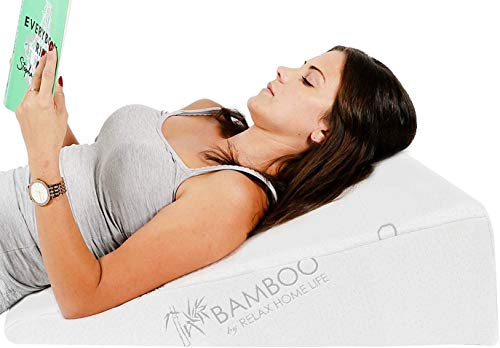 Best for: Parents with lower back pain or post-lumbar surgery positioning
Where most wedge pillows are designed for head and upper body elevation, the Vimoli is versatile enough to be used both under the upper body and under the legs, and the under-knee position is specifically effective for lower back pain relief. Elevating the knees slightly while lying on the back reduces lumbar spine tension and can reduce nighttime back pain in older adults with degenerative disc disease, spinal stenosis, or post-lumbar surgery positioning requirements.
The firm foam base holds its shape under sustained pressure while the 1.5-inch memory foam top adds comfort, and the stay-cool cover helps for warm sleepers. The 7.5-inch height works for both head elevation and knee elevation uses. At under $50 it is well-priced for a true dual-use therapeutic wedge.
Pros
- Dual-use: head elevation and knee support
- Firm base holds shape under knees
- Memory foam top with stay-cool cover
- Effective for lower back pain relief
Cons
- Firm base feels less plush than all-memory-foam
- Limited cover color options
Cozymaker Memory Foam Wedge Pillow
 Best for: First-time wedge users on a budget
The Cozymaker is among the most affordable genuine memory foam wedges in this review, and it delivers the key benefits of memory foam, body contouring, pressure distribution, and reduced sliding, at a lower price than mid-range competitors. At under $50 with a 7.5-inch cooling memory foam build and a removable washable cover, it is an ideal first wedge for a parent uncertain whether they will tolerate sleeping at an incline who does not want to commit to a pricier purchase without trying the concept first.
Memory foam at this price point will be less dense and less durable than premium options, but for a 6 to 12 month trial or for a parent who rests lightly on the wedge rather than pressing heavily into it, the Cozymaker performs its job. If your parent finds the wedge helpful and uses it nightly for years, consider upgrading to the Barpoullar or Kolbs at that point.
Pros
- Among the most affordable memory foam at under $50
- Good for trialing wedge therapy
- Cooling memory foam reduces sliding
- Removable washable cover
Cons
- Less dense foam compresses faster
- Not ideal for long-term heavy daily use
AllSett Health 4-Piece Bed Wedge Pillow Set
 Best for: Parents who have never used a wedge pillow before
Many older adults resist wedge pillows because a fixed incline feels strange at first, and they give up before their body adjusts. The AllSett Health set combines a teardrop back wedge, a leg elevation pillow and a small head cushion, so you can dial in a gentle elevation for acid reflux and snoring or a steeper angle as a parent gets comfortable. For a parent who resists change or has failed with fixed wedges before, the ability to start gentle and build up increases the likelihood they will actually use it consistently.
At under $100 it is a flexible single purchase that covers several positioning needs, from head elevation to leg support. If your parent tolerates and benefits from a gentle incline, they can simply reconfigure the same pillow to a steeper angle later. The adjust-then-upgrade approach works better than forcing a steep wedge a parent refuses to sleep on.
Pros
- 7-in-1 adjustable body positioner
- Start gentle, increase angle over time
- Covers head, back, and leg positions
- Flexible single purchase
Cons
- Adjustable design is bulkier than a fixed wedge
- Takes a little setup to find the right configuration
DMI Bed Wedge Pillow
 Best for: Post-surgical positioning on a very tight budget
The DMI Bed Wedge is a basic functional wedge from a recognized medical brand. With a simple foam incline, it provides the essential structural elevation that post-surgical positioning or reflux management requires. The basic foam build is best treated as a short-term tool rather than a years-long nightly fixture, but for a few weeks of post-surgical use that trade-off is less consequential.
DMI is a recognized medical equipment brand, so the foam quality meets basic standards rather than being an unknown no-brand product. For a parent needing a wedge specifically for a short post-surgical recovery period, say 4 to 6 weeks after knee or abdominal surgery, the DMI at under $50 is a sensible choice. For nightly use for months or years, step up to at least the Cozymaker or SCFOAMZAI.
Pros
- Lowest cost at under $50
- Adequate structural elevation
- Recognized DMI brand
- Good for short-term post-surgical use
Cons
- Basic foam compresses over long-term use
- Not ideal for nightly use over many months
- Fixed 7-inch height only
Choosing the Right Angle for Your Parent's Needs
Wedge angle is the most important specification to match to your parent's condition. Here is the clinical guidance on incline selection:
For Acid Reflux and GERD
A 20 to 30 degree incline (6 to 10 inches high) is the recommended range. Clinical research shows that even a 6-inch elevation reduces overnight acid exposure significantly compared to sleeping flat. Start at the lower end (20 degrees) if your parent has never slept on a wedge. Most people manage well at 25 degrees once acclimated.
For Snoring and Mild Sleep Apnea
A 25 to 30 degree incline helps keep airways open by reducing the tendency for soft tissue to collapse backward into the airway during sleep. This is not a substitute for CPAP therapy in diagnosed sleep apnea, but for snoring and positional sleep apnea, it can provide meaningful improvement.
For Back Pain Relief
Used under the knees rather than under the upper body, a 25-degree wedge reduces lumbar spine tension by allowing the natural lumbar curve to relax. The Vimoli is specifically designed for this dual positioning use.
For Post-Surgical Elevation
After cardiac surgery, abdominal surgery, or upper body procedures, elevation is typically prescribed at 30 to 45 degrees. Confirm the prescribed elevation angle with the surgical team and match the wedge height accordingly, many post-surgical elevation requirements exceed what a standard bed wedge provides.
Affiliate disclosure. The product picks above are Amazon affiliate links. ParentCareGuide earns 2–4% commission when you buy through them, at no extra cost to you. We are editorially independent, manufacturers do not pay us for placement and we did not receive free product from any brand listed. Read our full disclosure →
Frequently Asked Questions
What angle wedge pillow is best for acid reflux?
Research on positional therapy for GERD recommends a 20 to 30 degree elevation angle, corresponding to roughly 6 to 10 inches of head elevation. The MedCline system is built specifically for GERD positional therapy. A 7.5-inch wedge like the Kolbs or Vimoli lands in that recommended range. If your parent has never slept elevated, start with the adjustable AllSett Health on a gentle setting and work up once acclimated.
Can a bed wedge replace a CPAP machine for sleep apnea?
No. CPAP therapy is the medically prescribed treatment for diagnosed obstructive sleep apnea and should not be replaced by positional aids. However, a bed wedge can complement CPAP by making it more comfortable to sleep in a position that keeps the airway open. For positional sleep apnea specifically, where symptoms are significantly worse in certain positions, a wedge can provide additional support alongside prescribed therapy.
How do I prevent rolling off a bed wedge during the night?
Rolling off is most common with narrower wedges on slippery sheets. Choose a wide enough wedge to support the full upper body. Memory foam wedges with textured covers are less likely to slide on sheets than smooth foam covers. Some users place the wedge inside a fitted pillowcase to grip the sheets. A body pillow alongside the wedge can also prevent side rolling.
How long does a bed wedge pillow last?
A quality memory foam wedge like the Barpoullar or Kolbs lasts 3 to 5 years of nightly use before the foam loses significant density. Budget foam wedges may compress noticeably after 12 to 18 months of heavy use. Replace any wedge that has developed a soft spot or inconsistent incline, a sagging wedge does not provide the therapeutic elevation it was purchased to deliver.
Can my parent use a regular pillow instead of a wedge?
Stacking pillows is a common informal approach but provides inconsistent elevation and tends to collapse during the night. Clinical guidance on positional therapy specifically recommends a wedge over stacked pillows because the wedge maintains a consistent incline through the night. For serious, persistent conditions like GERD or physician-prescribed positional therapy, a proper wedge pillow is more effective than improvised pillow stacking.
Get the Complete Caregiver Toolkit
Includes sleep environment safety checklists, medication management trackers, fall prevention guides, and 40+ more resources for every aspect of caring for an aging parent.
Get the Complete Toolkit for $39One more time, because this matters. Every product recommendation on this page is independent. We accept no manufacturer payment, no sponsored placement, and no free product in exchange for coverage. When you buy through an Amazon link here, we earn 2–4% commission, that's how we keep ParentCareGuide free to read. If a pick stops being our honest recommendation, we remove it. Our editorial standards → · Affiliate disclosure →