Recognizing and Preventing Caregiver Burnout
Warning signs that you're burning out, why it happens, and practical strategies to protect your physical and mental health while caregiving.
Read Guide
You can't pour from an empty cup. Taking care of yourself isn't selfish, it's essential. Learn to recognize burnout, manage guilt, and find the support you need.
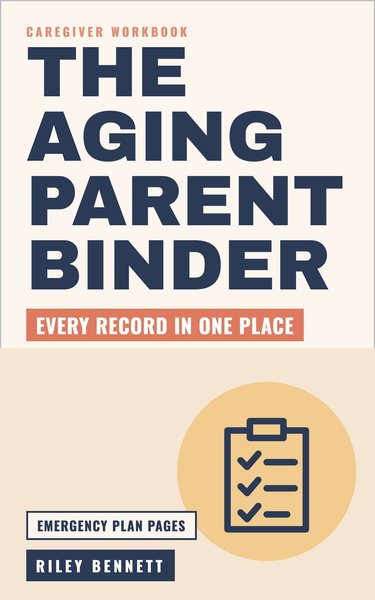
The companion book
by Riley Bennett
A fill-in caregiver organizer for medical, legal, financial, insurance and daily-care information, with an emergency plan and appointment log. Worksheets for contacts, medications, insurance numbers, legal documents, home safety and a one-page emergency sheet, in one paperback you keep where the care happens.
Paperback on Amazon →Caregiving is one of the most demanding roles you'll ever take on. The physical exhaustion, emotional strain, and constant worry take a real toll, yet caregivers often feel they can't complain because "it's family." Research shows that family caregivers have higher rates of depression, anxiety, and health problems than non-caregivers. Your wellbeing matters, and protecting it isn't optional.
Our wellness guides address the unique challenges caregivers face: the guilt that comes with setting boundaries, the grief of watching a parent decline, conflicts with siblings over care responsibilities, and the isolation that builds when your world shrinks to doctor appointments and medication schedules. You'll find practical strategies, not just platitudes about "self-care."
We also cover the practical side of caregiver support: how to find and use respite care, navigating FMLA and workplace accommodations, support groups and therapy options, and managing the financial impact of caregiving on your own career and retirement. Remember: taking care of yourself is taking care of your parent, burnt out caregivers can't provide good care.
What you're doing matters more than you know. Caregiving is one of the most important, and challenging, things a person can do.
Warning signs that you're burning out, why it happens, and practical strategies to protect your physical and mental health while caregiving.
Read GuideWhy caregiver guilt is so common, how to recognize unhealthy thought patterns, and strategies for developing a healthier perspective.
Read GuideRecognize the signs and take action before it's too late.
Most of what caregiving costs is time. These four are the purchases that reliably buy some of it back, and they are the ones families tell us they wish they had bought sooner.
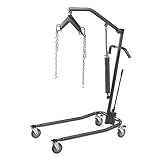 Drive Medical Hydraulic Patient Lift
A full lift is what makes one person able to manage a transfer alone. It is the single purchase that most often delays a move into residential care.
Check price on Amazon →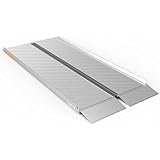 EZ-ACCESS Singlefold Wheelchair Ramp, 6 ft
Folds like a suitcase and carries in a car boot, so the same ramp handles the front step at home and the kerb at an appointment.
Check price on Amazon → Drive Medical Nitro Rollator with Seat
The seat matters more than the wheels. Being able to stop and rest is what decides whether someone still goes out at all.
Check price on Amazon → Vive Stand Assist Rail for Couch or Chair
Getting out of a low sofa is where most falls at home start. This is the cheapest thing on the list and often the first one needed.
Check price on Amazon →As an Amazon Associate we earn from qualifying purchases, at no extra cost to you. Researched guidance, not medical advice. Prices change, so check before buying.
The most common emotion caregivers face, and how to handle it.
You don't have to do this alone.
Everyone needs a break. Here's how to get one.
Balancing career, caregiving, and your own life.
Hidden costs, getting paid for care, and protecting your finances.
Learn more →Burnout sneaks up on caregivers. Learn to recognize the warning signs before it's too late.
Check for Burnout SignsConnect with 53 million caregivers actively researching solutions for their aging parents.
New to the terms? The elder care and senior living glossary defines ADLs, POA, spend-down, CCRC and the rest in plain English.
Keep exploring with these hand-picked guides on related topics.
Guide to returning to work after a caregiving break. Learn how to address resume gaps, update skills, rebuild confidence
Learn to identify caregiver burnout symptoms and prevent emotional exhaustion. Expert guidance on physical, emotional, a
Struggling with caregiver guilt? Learn why it
Discover the benefits of caregiver support groups, how to find local and online communities, and what to expect at your